
What Is a Flow Control Gate and How Does It Work?
A flow control gate is an essential component in fluid management systems. It regulates the flow of liquids or gases through pipelines, channels, or treatment facilities. By controlling the speed and volume of fluid movement, these gates help maintain system stability, prevent overflow, and optimize operational efficiency. Whether used in industrial plants, water treatment facilities, or irrigation systems, understanding how a flow control gate works is crucial for engineers, operators, and decision-makers.
In simple terms, a flow control gate acts like a traffic signal for fluids. It allows precise control over the movement, ensuring that processes remain safe and predictable. Modern systems often integrate automated controls, enabling real-time adjustments and reducing the risk of human error.
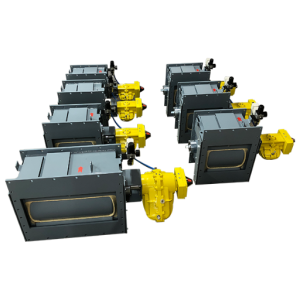 Flow Control Gate Installation
Installing a flow control gate requires careful planning and adherence to industry standards. Start by evaluating the flow requirements and the type of fluid being handled. The gate must match both the system’s capacity and the environmental conditions to prevent corrosion or operational failures.
During installation, engineers must ensure proper alignment with the pipeline or channel. Misalignment can cause leakage, increased wear, or mechanical stress. Additionally, it’s essential to verify the structural support, especially for larger gates, as the weight and fluid pressure can be substantial.
Routine inspection during installation helps identify potential problems early. Lubrication points, actuator connections, and sealing surfaces should all be checked. Following the manufacturer’s instructions and standard operating procedures ensures that the gate functions efficiently from day one.
Key steps for installation:
- Confirm the correct size and type of gate for the system
- Prepare the foundation or mounting frame
- Align the gate with the pipeline or channel
- Connect actuators and control systems
- Test for proper operation and seal integrity
Types of Flow Control Gates and Their Applications
There are several types of flow control gates, each designed for specific applications:
- Slide Gates: These gates move vertically or horizontally to control fluid flow. They work well for open channels and wastewater systems.
- Butterfly Valves: Compact and lightweight, these gates rotate to regulate flow. Industries like chemical processing and water distribution frequently use them.
- Flap Gates: Installed at the end of channels, flap gates prevent backflow while allowing forward flow. They are common in drainage systems.
- Needle Gates: These provide fine control over high-pressure flow and are used in precise industrial applications such as chemical plants.
| Gate Type | Typical Application | Advantages | Limitations |
|---|---|---|---|
| Slide Gate | Wastewater, irrigation channels | Simple design, durable | Limited to low-pressure flows |
| Butterfly Valve | Water supply, chemical industry | Compact, quick operation | Not ideal for abrasive fluids |
| Flap Gate | Drainage, flood control | Prevents backflow | Only works with gravity flow |
| Needle Gate | Industrial, high-pressure systems | Precise control, robust | Complex design, higher cost |
Each type requires different maintenance approaches, so operators must understand their gate’s specific characteristics. Selecting the right gate ensures efficiency, reduces wear, and prolongs service life.
How Flow Control Gates Improve System Efficiency
A properly installed flow control gate enhances operational efficiency in multiple ways. First, it maintains consistent flow rates, preventing system overloads and energy waste. Second, automated gates allow real-time adjustments, minimizing manual intervention.
By controlling fluid velocity, these gates reduce turbulence and pressure fluctuations. This is particularly beneficial in sensitive industrial processes where minor variations can impact product quality. Moreover, in water management systems, flow control gates help optimize distribution and reduce losses.
Maintenance and Safety Tips for Flow Control Gates
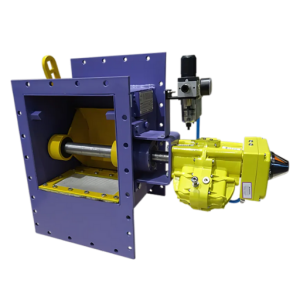
Regular maintenance keeps flow control gates functioning optimally. Operators should check seals, actuators, and gate alignment at scheduled intervals. Cleaning debris and lubricating moving parts prevents unexpected failures.
Safety is paramount. Always isolate the gate from the system before performing maintenance to avoid accidents. Staff should wear proper protective equipment and follow manufacturer guidelines. Proactive monitoring using sensors can detect early signs of wear or blockage, preventing costly downtime.
Maintenance checklist:
- Inspect seals and gaskets
- Check actuator connections
- Clean debris from gates and channels
- Lubricate moving components
- Test automated control systems
FAQ
- What is the main purpose of a flow control gate?The main purpose of a flow control gate is to regulate the flow of liquids or gases in a system. It ensures stability, prevents overflow, and allows precise control over fluid movement.
- How often should flow control gates be maintained?Maintenance frequency depends on the system and gate type. Typically, monthly inspections for seals and actuators, combined with annual thorough maintenance, keep gates reliable.
- Can flow control gates be automated?Yes, many modern gates use actuators and sensors to adjust flow automatically. Automation improves efficiency and reduces human error in complex systems.
- What factors affect the choice of a flow control gate?Consider the type of fluid, pressure, flow rate, environmental conditions, and required precision. Each gate type has strengths and limitations that match different operational needs.