
Key Features of Our Industrial Flow Control Gates
Industrial operations demand precision, reliability, and efficiency, especially when it comes to managing fluid flow. Our industrial flow control gates stand out in the market by combining durability, versatility, and advanced design. Designed for various industrial applications, these gates ensure seamless flow regulation, prevent operational disruptions, and contribute to overall process optimization. Whether your operation involves water treatment, chemical processing, or energy production, our flow control gates deliver consistent performance under diverse conditions.
Flow control plays a crucial role in maximizing productivity and minimizing risks. By integrating flow control gate systems, industries achieve accurate fluid management, reduce waste, and enhance safety. Every component in our gates is engineered to withstand high-pressure environments, ensuring long-term reliability and minimal maintenance. In addition, their modular design allows for easy installation and integration with existing infrastructure, making them a preferred choice across multiple industries.
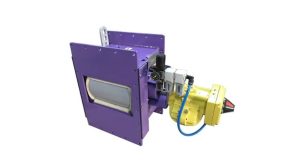
Flow Control Gate Specifications
Our flow control gates come with a robust set of specifications that cater to a wide range of industrial requirements. Precision engineering ensures each gate meets high standards for safety, efficiency, and longevity.
- Material Construction: Our gates use high-grade stainless steel and reinforced alloys that resist corrosion, erosion, and chemical degradation. This guarantees durability even in harsh industrial environments.
- Size and Dimensions: Available in multiple sizes, from small-scale applications to large industrial pipelines, our gates provide flexible installation options. Custom sizing is also available to suit unique operational demands.
- Actuation Mechanism: The gates feature both manual and automated actuation options. Automated models integrate seamlessly with SCADA systems for precise, real-time flow control.
- Sealing Efficiency: Each gate incorporates advanced sealing technology to prevent leaks and maintain consistent flow. This reduces energy consumption and protects equipment downstream.
The combination of these specifications ensures that industries can rely on these flow control gates for consistent and safe operation.
Flow Control Gate Applications Across Industries
Our industrial flow control gates are versatile, finding applications in a broad spectrum of industries:
- Water and Wastewater Treatment: Gates regulate water flow, ensuring proper filtration and distribution. Their precise control prevents overflow and maintains optimal water quality.
- Chemical Processing Plants: Resistant to corrosive fluids, our gates handle aggressive chemicals while maintaining stable flow rates.
- Power Generation: In power plants, flow control gates manage coolant distribution and steam flow, supporting efficiency and safety.
- Food and Beverage Industry: Gates enable controlled movement of liquids during production, ensuring hygiene standards and product consistency.
By adapting to different industry requirements, these gates offer a reliable solution for flow management challenges.
Design and Performance Advantages
Investing in our flow control gates offers multiple advantages that enhance operational efficiency:
- Precision Flow Control: Accurate adjustment mechanisms allow operators to fine-tune flow rates for optimal process performance.
- Durability Under Stress: Constructed to handle extreme pressures and temperatures, the gates maintain performance without frequent repairs.
- Easy Maintenance: Modular design enables quick inspection and component replacement, reducing downtime.
- Energy Efficiency: Optimized flow pathways minimize energy loss, contributing to cost savings over time.
These design advantages make the gates a cornerstone in industrial operations, ensuring consistent productivity and reduced operational risk.

Installation and Integration Guidelines
Correct installation of industrial flow control gates is crucial for achieving maximum performance. Following these best practices ensures long-term reliability:
- Site Assessment: Evaluate the installation environment to determine size, material, and actuation requirements.
- Proper Alignment: Ensure the gate aligns with the pipeline to prevent leaks and mechanical stress.
- Connection Type: Select the appropriate flange, bolt, or weld connections based on pressure and flow requirements.
- System Integration: Automated gates should be integrated with control systems for real-time monitoring and adjustment.
- Testing and Commissioning: Conduct thorough testing to verify flow rates, sealing performance, and operational responsiveness.
By adhering to these steps, industries can enjoy uninterrupted flow control and extended equipment life.
Maintenance and Longevity Tips
To extend the life of flow control gates, regular maintenance is essential. Our recommendations include:
- Routine Inspection: Examine gate surfaces and seals for wear or corrosion.
- Lubrication: Apply recommended lubricants to moving parts to reduce friction and prevent seizing.
- Seal Replacement: Periodically replace seals to maintain leak-proof performance.
- Calibration: For automated gates, calibrate sensors and actuators to ensure accurate flow control.
- Documentation: Keep maintenance logs to track performance trends and anticipate replacement schedules.
Proper maintenance not only enhances longevity but also ensures safety and energy efficiency across operations.
Comparative Table of Flow Control Gate Types
| Feature | Manual Flow Control Gate | Automated Flow Control Gate | High-Pressure Industrial Gate |
|---|---|---|---|
| Actuation | Handwheel/lever | Electric/Hydraulic/Pneumatic | Electric/Hydraulic/Pneumatic |
| Pressure Range | Up to 10 bar | Up to 40 bar | Up to 100 bar |
| Material Options | Stainless Steel/Alloy | Stainless Steel/Alloy | Reinforced Alloys |
| Maintenance Requirement | Moderate | Low | Low/Moderate |
| Ideal Applications | Small-scale systems | Medium-scale industrial | Heavy-duty industrial plants |
This table highlights the versatility and scalability of flow control gates, helping operators choose the right solution for their specific needs.
Safety Considerations
Safety remains paramount when working with industrial flow control gates. Proper usage reduces the risk of accidents and equipment damage. Consider the following measures:
- Pressure Monitoring: Install gauges to monitor and prevent overpressure situations.
- Emergency Shut-Off: Automated gates can include fail-safe mechanisms to stop flow in emergencies.
- Training: Ensure personnel understand operational procedures and safety protocols.
- Protective Equipment: Use gloves, goggles, and other protective gear during maintenance or operation.
By following these guidelines, industries protect both their workforce and their investment in high-performance equipment.
Sık Sorulan Sorular
What industries benefit most from flow control gates?
Industries like water treatment, chemical processing, energy generation, and food production rely heavily on flow control gates for precise fluid management.
How do automated flow control gates improve efficiency?
Automated gates integrate with control systems to adjust flow in real time, reducing manual intervention and optimizing energy use.
What maintenance practices extend gate lifespan?
Routine inspections, lubrication, seal replacements, calibration of actuators, and accurate record-keeping help ensure durability and safety.
Can flow control gates handle corrosive fluids?
Yes, gates made with stainless steel or reinforced alloys resist corrosion, making them suitable for aggressive chemical or industrial fluids.