
Design Innovations in Modern Flow Control Gates
Modern flow control gates have undergone significant advancements over the past decades, revolutionizing water management in industrial and hydroelectric systems. Engineers now prioritize efficiency, durability, and precise flow regulation to meet the increasing demands of modern infrastructure. From hydraulic optimization to advanced materials, these innovations offer enhanced performance and longer service life, ensuring reliable operation in complex water environments.
Flow control gates play a crucial role in regulating water flow, preventing overflow, and maintaining system stability. Their design directly impacts energy efficiency, operational costs, and environmental sustainability. With the integration of automation and sensor technologies, modern gates achieve unprecedented levels of control, allowing operators to respond swiftly to fluctuating water conditions.
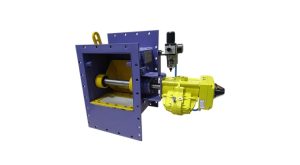
Flow Dynamics and Performance Analysis of Flow Control Gates
Understanding flow dynamics is fundamental to designing effective flow control gates. Engineers use computational fluid dynamics (CFD) simulations to predict water behavior, minimize turbulence, and optimize gate geometry. These analyses help identify potential inefficiencies that could lead to energy loss or structural stress.
Performance analysis extends beyond flow rate measurements. Modern monitoring systems track parameters like velocity distribution, pressure variations, and cavitation risks. Such data enables predictive maintenance, reducing downtime and preventing costly failures. Incorporating sensors directly into gate structures allows real-time adjustments, ensuring optimal operation under varying environmental conditions.
Key performance factors include:
- Gate material selection for reduced wear
- Shape optimization to minimize energy loss
- Automated actuation systems for precise control
- Integrated monitoring for predictive maintenance
Flow Control Gate Solutions for Hydroelectric Projects
Hydroelectric plants rely on flow control gates to regulate water entering turbines, ensuring consistent energy production. Advanced gate designs improve turbine efficiency and safeguard infrastructure against sudden surges. Using variable geometry gates, operators can adjust water flow dynamically to match energy demand and reservoir conditions.
Modern solutions also address environmental concerns. Fish-friendly gates and low-noise designs minimize ecological impact while maintaining high operational efficiency. Additionally, corrosion-resistant materials extend the lifespan of gates in challenging aquatic environments, reducing long-term maintenance costs.
Hydroelectric projects often integrate smart control systems with gates. These systems allow remote monitoring, automated adjustments, and predictive analytics, providing operators with detailed insights into water flow patterns and mechanical performance.
Smart Automation in Flow Control Systems
Automation has transformed traditional flow control gates into intelligent systems capable of responding to real-time conditions. Actuators, sensors, and AI-driven control algorithms work together to maintain precise flow rates while reducing human intervention.
Benefits of smart automation include:
- Improved water management efficiency
- Reduced operational errors and labor costs
- Enhanced safety through remote monitoring
- Data-driven insights for long-term planning
By combining hardware innovations with advanced software, modern gates achieve a level of adaptability that manual systems cannot match. This integration ensures gates react immediately to sudden changes in water level or pressure, maintaining system stability.

Materials and Durability in Flow Gate Design
Selecting the right materials significantly impacts flow control gate performance and longevity. Engineers use high-strength alloys, stainless steel, and composite materials to withstand corrosion, abrasion, and high-pressure conditions.
Coatings and surface treatments further enhance durability. Anti-fouling coatings prevent sediment accumulation, while corrosion-resistant layers reduce chemical degradation. Modern materials also reduce maintenance intervals, allowing hydroelectric and industrial systems to operate continuously with minimal interruptions.
Comparison Table: Common Materials for Flow Control Gates
| Material Type | Key Advantages | Typical Applications | Lifespan (Years) |
|---|---|---|---|
| Stainless Steel | Corrosion resistance, strength | Hydroelectric, water treatment | 25-35 |
| High-Strength Alloy | High pressure tolerance | Industrial gates, dams | 20-30 |
| Composite Materials | Lightweight, corrosion resistant | Coastal structures, irrigation | 15-25 |
| Coated Steel | Cost-effective, durable | Small-scale irrigation | 10-20 |
Environmental and Sustainability Considerations
Modern flow control gates increasingly incorporate sustainable design principles. Minimizing energy consumption, protecting aquatic life, and reducing maintenance footprints are now integral to gate design.
Operators can use energy-efficient actuators and regenerative braking systems to lower power requirements. Additionally, integrating ecological features like fish passages and sediment management systems reduces the environmental impact of large-scale water control projects.
Sustainability also extends to materials selection. Using recyclable and low-maintenance components reduces the ecological footprint while maintaining operational reliability.
Maintenance Strategies for Modern Flow Control Gates
Regular maintenance ensures flow control gates operate efficiently and safely. Proactive inspection schedules, combined with predictive analytics, help detect wear and potential failures before they escalate.
Key maintenance practices include:
- Visual inspections and operational testing
- Sensor calibration and data analysis
- Lubrication and actuator maintenance
- Corrosion and erosion monitoring
By implementing digital twin models, operators can simulate gate performance under various conditions. This approach allows maintenance teams to anticipate issues, plan repairs, and extend the service life of gates without disrupting system operations.
Innovations in Gate Actuation Technologies
Actuation technology determines how efficiently gates respond to control signals. Modern systems employ pneumatic, hydraulic, and electric actuators, often integrated with smart controllers for precise flow regulation.
Advantages of advanced actuation technologies:
- High precision and responsiveness
- Reduced energy consumption
- Remote control and automation compatibility
- Minimal wear on mechanical components
Electric actuators, in particular, offer fine control and seamless integration with digital monitoring platforms. Hydraulic actuators provide robust performance under heavy loads, making them ideal for large hydroelectric applications.
Case Studies: High-Performance Flow Control Implementations
Real-world examples highlight how innovative flow control gates enhance water management. For instance, several hydroelectric facilities have reported a 15–20% increase in turbine efficiency after upgrading to smart gates with optimized flow dynamics.
Other industrial sites have reduced downtime and maintenance costs by implementing predictive monitoring systems, which identify early signs of gate wear or pressure anomalies. These case studies emphasize that combining design innovation with technology integration yields significant operational benefits.
Future Trends in Flow Control Gate Technology
The next decade promises further advancements in flow control gate design. AI-driven optimization, self-healing materials, and fully autonomous systems will redefine water management standards.
Key emerging trends include:
- Integration of machine learning for adaptive flow regulation
- Development of eco-friendly materials with extended lifespan
- Miniaturized sensors for enhanced real-time monitoring
- Cloud-based data analysis platforms for predictive maintenance
These innovations will help operators achieve higher efficiency, lower environmental impact, and safer water infrastructure management.
Sık Sorulan Sorular
- What is the primary function of a flow control gate?Flow control gates regulate water flow in industrial, irrigation, and hydroelectric systems. They ensure consistent flow rates, prevent flooding, and protect downstream infrastructure.
- How does smart automation improve gate performance?Smart automation enables real-time monitoring, predictive maintenance, and precise flow adjustments. Automated systems reduce manual intervention, lower energy costs, and enhance safety.
- What materials are best for long-lasting flow control gates?Stainless steel, high-strength alloys, and composite materials offer durability, corrosion resistance, and reduced maintenance requirements. Coatings further enhance performance under challenging conditions.
- Are modern gates environmentally friendly?Yes. Many designs include fish passages, energy-efficient actuators, and eco-friendly materials to minimize environmental impact while maintaining operational efficiency.