
How Flow Control Gate Improves Process Control and System Performance
Modern industrial systems demand accuracy, reliability, and efficiency at every stage of production. Operators need precise control over material flow to maintain consistent output quality and prevent system inefficiencies. Even small variations in flow rate can affect product quality, increase operational costs, and reduce equipment lifespan. This is where a Flow Control Gate becomes an essential component in optimizing process control and improving overall system performance.
Industrial environments rely on controlled movement of bulk materials, powders, granules, and liquids. Engineers design systems that move these materials efficiently while minimizing waste and energy consumption. When operators use the right flow regulation equipment, they gain better control, reduce downtime, and improve production reliability. Effective flow management supports operational stability and allows facilities to maintain consistent performance across different production cycles.
Manufacturers across industries such as cement, food processing, mining, chemicals, and pharmaceuticals depend on accurate flow regulation. Consistent flow improves automation accuracy, protects downstream equipment, and ensures smooth material transfer. A well-designed control mechanism allows teams to manage material movement precisely while preventing blockages, overflow, and system stress.
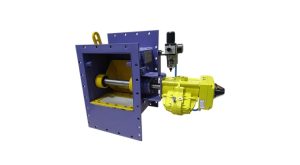
Understanding Flow Control Gate Functionality
A flow control gate regulates the movement of materials between different sections of an industrial system. Operators install these gates at discharge points, conveyor systems, silos, hoppers, and processing lines. The gate opens, closes, or adjusts its position to control how much material passes through the system.
Engineers design these gates to provide precise and predictable material flow. This level of control ensures that production processes remain stable and efficient. When operators adjust the gate opening, they directly influence flow rate, pressure balance, and system throughput.
The primary functions include:
- Regulating material discharge
- Preventing overflow or material loss
- Controlling system pressure balance
- Supporting automated process control
- Protecting downstream equipment
Each of these functions contributes to improved system performance and operational efficiency.
The Role of Flow Regulation in Industrial Efficiency
Flow regulation plays a central role in maintaining production consistency. When materials move too quickly, systems experience overload, excessive wear, and inefficiencies. When materials move too slowly, production delays occur and output decreases.
A Flow Control Gate allows operators to maintain optimal flow levels. This precise control ensures that materials move at the correct speed and volume. Stable flow improves process reliability and allows equipment to operate within safe parameters.
Efficient flow regulation provides several operational benefits:
- Improved production consistency
- Reduced equipment wear
- Lower maintenance costs
- Enhanced product quality
- Increased system reliability
These benefits directly improve operational performance and reduce long-term operational expenses.
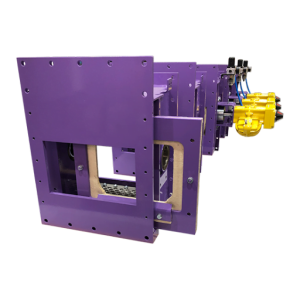
How Flow Control Improves Process Stability
Process stability remains one of the most important goals in industrial production. Stable processes produce consistent results and minimize operational disruptions. Flow control devices play a direct role in maintaining system balance.
When operators regulate material flow effectively, they prevent sudden pressure changes and system fluctuations. This stability protects equipment and improves overall process reliability. Consistent flow also supports accurate automation and sensor feedback.
Stable systems allow operators to focus on optimizing production instead of troubleshooting problems. This improves efficiency and reduces downtime across the entire facility.
Custom Flow Control Gate Configurations
Every industrial system operates under unique conditions. Material type, temperature, pressure, and system design all influence flow requirements. Custom gate configurations allow engineers to match equipment performance with specific operational needs.
Material Compatibility
Different materials behave differently during transfer. Powders, granules, and liquids require specific handling methods. Engineers select appropriate gate materials and sealing systems to ensure compatibility.
Proper material compatibility prevents:
- Material buildup
- Blockages
- Premature wear
- Contamination
This ensures consistent and reliable operation.
Size and Capacity Requirements
Industrial systems vary significantly in size and throughput requirements. Custom gates allow engineers to select dimensions that match system capacity. Proper sizing ensures optimal performance without restricting flow or causing system overload.
Correct sizing improves efficiency and extends equipment lifespan.
Actuation Options
- Manual actuation
- Pneumatic actuation
- Electric actuation
- Hydraulic actuation
Each option provides different levels of automation and control.
Environmental Adaptation
Industrial environments expose equipment to dust, moisture, heat, and corrosive materials. Custom configurations ensure that gates withstand environmental conditions without performance degradation.
Durable designs reduce maintenance requirements and improve reliability.
Integration with Automated Systems
Automation transforms industrial operations by improving precision, efficiency, and reliability. Flow control components play a critical role in supporting automated processes. When integrated with control systems, gates provide accurate and responsive material regulation.
A Flow Control Gate integrates seamlessly with programmable logic controllers (PLCs), sensors, and automated monitoring systems. This integration allows operators to control material flow remotely and respond quickly to changing process conditions.
- Real-time flow adjustment
- Improved process accuracy
- Reduced human error
- Faster response to system changes
- Increased production efficiency
Enhancing System Performance Through Precision Control
- Stable production rates
- Reduced system stress
- Improved product consistency
- Better automation performance
Material Selection and Durability Considerations
- Stainless steel
- Carbon steel
- Aluminum alloys
- Specialized coated metals
Comparison of Flow Control Performance Factors
| Performance Factor | Without Flow Regulation | With Proper Flow Regulation |
|---|---|---|
| Material Consistency | Irregular and unpredictable | Stable and controlled |
| Equipment Wear | High due to overload | Reduced due to balanced flow |
| Energy Efficiency | Excessive energy consumption | Optimized energy usage |
| Maintenance Frequency | Frequent repairs required | Reduced maintenance needs |
| Automation Accuracy | Inconsistent sensor feedback | Accurate and reliable control |
| Production Output | Variable and inefficient | Stable and optimized |
Maintenance Strategies for Long-Term Performance
- Inspecting seals and moving components
- Cleaning accumulated materials
- Checking actuator performance
- Monitoring structural integrity
Applications Across Multiple Industries
- Cement production
- Mining operations
- Food processing
- Chemical manufacturing
- Pharmaceutical production
- Agricultural processing
Conclusion
Effective flow regulation plays a critical role in maintaining industrial efficiency, safety, and reliability. Properly designed control systems ensure consistent material movement and protect equipment from operational stress. These systems support automation, improve product quality, and reduce operational costs.
A Flow Control Gate provides precise, reliable, and efficient flow regulation across various industrial applications. Its ability to improve process stability, support automation, and enhance system performance makes it an essential component in modern industrial operations.
Facilities that implement proper flow regulation achieve higher productivity, lower maintenance costs, and improved operational reliability. This ensures long-term success in competitive industrial environments.
FAQs
Flow control gate system performance nasıl artırır?
Flow control systems allow operators to regulate material movement precisely. This improves process stability and prevents overload conditions. Consistent flow enhances equipment efficiency and reduces maintenance requirements. As a result, overall system performance improves significantly.
Flow control gate hangi endüstrilerde kullanılır?
Many industries rely on flow control systems, including cement, mining, food processing, and chemical manufacturing. These industries require precise material handling to maintain production quality. Flow regulation improves operational efficiency and ensures consistent output.
Automated systems ile entegrasyon neden önemlidir?
Automation integration allows systems to adjust flow dynamically based on real-time conditions. This improves accuracy and reduces human error. Automated control enhances efficiency and supports continuous production.
Flow control systems maintenance gerektirir mi?
Yes, regular maintenance ensures reliable performance and prevents unexpected failures. Routine inspections help identify wear and potential issues early. Proper maintenance extends equipment lifespan and improves operational reliability.