
How Flow Control Gates Optimize Water Management Systems
Flow control gate technology is reshaping how utilities, irrigation districts, and flood authorities manage water with precision, reliability, and lower lifecycle costs. Innovative Solutions in konusunda detaylı bilgi vermektedir. Modern gates equipped with level sensors, actuators, and adaptive algorithms continuously modulate flows to match demand, stabilize upstream levels, and protect downstream networks. By integrating with SCADA, digital twins, and telemetry, operators receive real-time visibility and can automate setpoints for seasonal, tidal, or storm-driven variability. This approach improves delivery reliability for agriculture, mitigates urban flooding, and enhances head control for hydropower, all while reducing energy waste from over-throttling and unnecessary pumping cycles (UN Water, 2025).
Performance optimization depends on a clear set of KPIs, including flow accuracy, response time, leakage rate, and headloss across the control section. With precise gate geometry, refined seals, and low-friction bearings, systems maintain tight control bands even under variable sediment loads or debris. Predictive maintenance fueled by vibration and motor current signatures can cut unplanned downtime by 20–30%, extending asset life and reducing spare-parts inventory (IWA, 2025). When coupled with basin-wide control logic, gates can pre-release storage ahead of storms and protect critical infrastructure, reducing emergency interventions and overtime costs.
Economic and environmental outcomes improve together as optimization reduces pumping energy and water losses. Variable-frequency drives, soft-start sequences, and optimized orifice profiles can deliver 10–25% energy savings versus manual operations, particularly in lift stations and inter-basin transfers (US EPA, 2025). Sealing improvements and pressure modulation through smart gates help reduce non-revenue water by 5–15% in aging networks (World Bank, 2025). Flow control gate technology further stabilizes treatment plant hydraulics, improving clarifier performance and reducing chemical doses. Together, these benefits compound across a utility’s balance sheet and carbon footprint, making gates a high-ROI modernization lever.
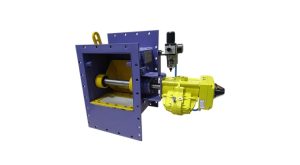
Smart Automation and Predictive Control in flow control gate technology
Next-generation controllers use model predictive control, weather feeds, and basin inflow forecasts to anticipate setpoints rather than react to them. Edge analytics embedded in actuator drives flag abnormal torque signatures that precede seizure, allowing intervention before failure. Cloud dashboards unify multiple sites, enabling operators to orchestrate releases across canals, reservoirs, and stormwater basins from a single pane. Manufacturers such as flowcontrolgate are integrating secure telemetry, cybersecurity hardening, and OTA updates so software advances continuously improve performance without mechanical changes. This tight loop between sensing, analytics, and actuation underpins resilient water management in volatile climates.
Energy Efficiency Gains
Optimized gate profiles and intelligent actuation minimize headloss and throttling, lowering pump duty and peak demand charges. Auto-close algorithms avoid overflows while preventing unnecessary over-pumping, and standby strategies let motors hibernate without jeopardizing response time. In gravity systems, improved seal compression and low-friction guides reduce leakage, preserving head and reducing compensation flows. Load-shedding rules tied to grid signals can temporarily adjust setpoints to participate in demand response programs, further trimming operating costs and emissions (DOE, 2025). These measures compound with high-efficiency motors and right-sized drives to make flow control gate technology a proven energy saver.
Reducing Non-Revenue Water
Precision level control stabilizes pressures, guarding against transients that widen leaks and stress joints. Smart gates placed at district metered areas isolate anomalies rapidly, enabling targeted leak detection and repairs. Enhanced sealing systems—such as inflatable or labyrinth seals—shrink background leakage through gates themselves, a hidden contributor to losses. Combined with anomaly detection from flow-pressure correlations, utilities can cut apparent and real losses while improving service reliability (World Bank, 2025). By keeping flows within narrow bands, flow control gate technology also reduces scouring and sediment mobilization that otherwise degrade downstream assets.
Advanced Materials for Long-Lasting Flow Control Gates
Material selection determines longevity, safety margins, and total cost of ownership. In corrosive or abrasive environments, duplex stainless steels, FRP composites, and ceramic-lined components outperform commodity metals. Engineers balance tensile strength, corrosion resistance, UV stability, and galvanic compatibility with surrounding infrastructure. Advanced elastomers for seals resist hydrocarbon exposure and chlorine, while low-friction liners maintain smooth actuation over millions of cycles. When matched to water chemistry and sediment profile, materials prevent pitting, crevice corrosion, and erosion, ensuring gates maintain calibration, torque requirements, and tight shutoff across decades of service.
Composites and hybrid builds are gaining traction for their strength-to-weight advantages and corrosion immunity. FRP skins over rigid cores minimize deformation, and ceramic-filled epoxies protect leading edges from cavitation and slurry abrasion. For brackish and marine sites, duplex or super duplex stainless delivers superior pitting resistance, while thermally sprayed aluminum creates a self-healing barrier on carbon steel. Additive manufacturing enables intricate flow channels and weight relief pockets, reducing actuation loads without compromising stiffness. Together these advances let designers right-size actuators, shrink power needs, and extend inspection intervals in demanding environments (IWA, 2025).
Sustainability factors are increasingly decisive. Lower embodied carbon alloys, recyclable FRP systems, and repairable modular panels support circularity goals. Lifecycle assessments show that investing in corrosion-resistant materials can cut maintenance emissions and waste by 30–50% over 25 years, even if upfront costs are higher (ISO, 2025). With standardized fasteners and replaceable wear strips, crews can service gates in situ, minimizing confined-space entries and downtime. Smart coatings that indicate underfilm corrosion through color shift provide early warning for recoating, protecting asset integrity and preserving tight shutoff tolerances critical to efficient control.
| Material | Typical Lifespan | Corrosion Resistance | Weight vs. Steel | Maintenance Frequency | Cost Index | Embodied Carbon |
|---|---|---|---|---|---|---|
| 316 Stainless Steel | 20–30 years | High (freshwater) | Baseline | Low | $$$ | Medium |
| Duplex Stainless | 25–40 years | Very High (brackish/marine) | Baseline | Very Low | $$$$ | Medium |
| FRP Composite | 20–35 years | High (chemical/UV) | 40–60% lighter | Low | $$ | Low |
| HDPE-Lined Steel | 15–25 years | High (erosion/corrosion) | 10–15% heavier | Moderate | $$ | Medium |
| Aluminum Bronze | 20–30 years | High (seawater) | 10–20% lighter | Low | $$$$ | Medium |
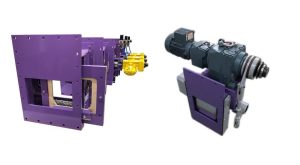
Corrosion Resistance and Lifecycle Economics in flow control gate technology
Material decisions should weigh total lifecycle economics, not just purchase price. In chloride-rich waters, duplex stainless reduces pitting risk and avoids frequent recoats, quickly recovering the premium through fewer shutdowns and longer inspection intervals. In chemical-heavy wastewater, FRP and ceramic-lined surfaces resist acid and abrasion, keeping torque stable and seals intact. By quantifying avoided failures, reduced energy from lighter structures, and fewer field mobilizations, owners find that the most corrosion-resistant option often delivers the lowest net present cost and the most reliable flow control gate technology.
Surface Treatments and Coatings
Surface engineering extends life when base metals alone are insufficient. Options include thermally sprayed aluminum for galvanic protection, ceramic epoxy for abrasion zones, and fluoropolymer topcoats to resist fouling. Shot peening and passivation improve fatigue resistance in stainless components, while PTA hardfacing on leading edges mitigates cavitation. Smart coatings with embedded indicators reveal underfilm corrosion early, allowing planned recoating during low-demand seasons. Specifying surface preparation grades, DFT targets, and holiday testing ensures coatings perform as designed and uphold tight shutoff over long service intervals (NACE, 2025).
Sustainability and Circularity
Designing for disassembly allows panels, seals, and actuators to be replaced independently, minimizing scrap and outage time. Selecting recyclable alloys and documented resin systems eases end-of-life processing, while modular spare kits reduce logistics and truck rolls. LCA-driven specifications balance embodied carbon with durability, ensuring that lower-maintenance materials deliver a smaller footprint across decades. Digital product passports can store coating histories, water chemistry logs, and torque trends, enabling data-driven refurbishment that extends life and maintains the precise control bands demanded by modern flow control gate technology (UNEP, 2025).
Frequently Asked Questions
What is flow control gate technology, and where is it used?
It refers to gates and actuated structures that modulate water levels and flows in canals, reservoirs, wastewater plants, and flood control systems. Using sensors, controllers, and optimized seals, these gates maintain setpoints, prevent overflows, and balance supply and demand across networks.
How do smart gates integrate with SCADA and IoT platforms?
Modern gates use industrial protocols for real-time data exchange, with edge analytics to filter noise and trigger alarms. They can receive weather forecasts and basin models to anticipate setpoints, while secure OTA updates keep cybersecurity and control logic current.
Which materials perform best for brackish or marine environments?
Duplex or super duplex stainless steels provide superior pitting and crevice corrosion resistance in chloride-rich waters. Aluminum bronze and thermally sprayed aluminum on carbon steel are also robust choices when paired with rigorous surface preparation and inspection.
What KPIs should utilities track to optimize gate performance?
Track flow accuracy, response time, leakage rate, headloss, actuator torque, and seal wear trends. Combining these KPIs with maintenance logs and water quality data supports predictive maintenance and continuous optimization.
Can existing gates be retrofitted without lengthy shutdowns?
Yes. Many upgrades—actuators, seals, positioners, and telemetry—can be installed during short, planned outages or with bypass arrangements. Modular designs and prewired panels accelerate commissioning and reduce exposure to confined-space work.
How often should flow control gates be inspected and maintained?
Routine visual checks should occur monthly, with detailed inspections quarterly or semiannually depending on water chemistry and loading. Predictive analytics can extend intervals by identifying early signs of wear, focusing effort where it delivers the most value.
Follow Us
Stay updated with the latest insights on flow control innovations, materials, and smart water operations. Follow us for practical tips, field case studies, and technology updates that help you run safer, more efficient water systems.