
Flow Control Gate Maintenance and Troubleshooting
Flow control gates play a critical role in managing water flow, preventing flooding, and ensuring efficient irrigation. Proper maintenance and timely troubleshooting extend the lifespan of these gates while ensuring consistent performance. Understanding common issues and their solutions helps operators avoid costly repairs and operational downtime.
Installation Tips for Flow Control Gates
Correct installation lays the foundation for a reliable flow control gate system. Always ensure the gate aligns with the water channel to prevent leakage and wear. Use corrosion-resistant materials for bolts and fasteners, particularly in outdoor or high-moisture environments. Regularly check seals and gaskets during installation to guarantee a tight fit.
Consider the water flow rate and the gate’s capacity when selecting the installation site. Placing gates in areas with minimal debris accumulation reduces maintenance frequency. Proper alignment not only enhances operational efficiency but also prevents structural stress that can cause premature damage.
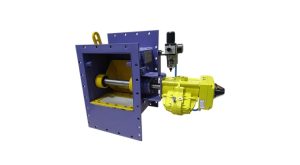
Best Practices:
- Inspect the water channel before installation for debris and sediment.
- Use a level and laser alignment tools for precise gate placement.
- Test the gate under low water flow before full operation.
How Flow Control Gates Improve Water Management
Flow control gates optimize water distribution in canals, reservoirs, and irrigation systems. By regulating water levels, these gates prevent wastage and ensure uniform flow. Efficient water management supports agricultural productivity and reduces operational costs.
These gates also help mitigate flooding by controlling sudden surges in water flow. They provide flexibility, allowing operators to adapt to seasonal variations and unexpected weather events. Integrating gates with automated monitoring systems further improves accuracy and reduces manual labor.
Key Benefits of Flow Control Gates:
| Benefit | Description |
|---|---|
| Water Conservation | Reduces unnecessary water loss in irrigation systems |
| Flood Prevention | Controls sudden surges and water overflow |
| Operational Efficiency | Minimizes manual intervention through automation |
| Infrastructure Protection | Prevents damage to canals and reservoirs |
Routine Maintenance Procedures
Maintaining flow control gates ensures long-term reliability. Inspect mechanical components such as hinges, actuators, and seals on a scheduled basis. Lubricate moving parts to reduce friction and prevent corrosion. Regular maintenance checks detect minor issues before they escalate into major problems.
Cleaning debris from the gate and surrounding channels is critical. Sediment buildup can hinder gate movement and affect water regulation. Schedule inspections during low-flow periods to avoid disrupting water management operations.
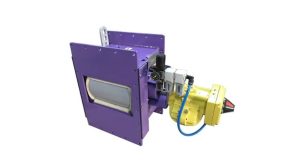
Maintenance Checklist:
- Examine gate alignment and frame integrity.
- Inspect seals and replace if worn.
- Lubricate hinges and moving mechanisms.
- Remove debris and sediment buildup.
- Test operational movement under controlled conditions.
Troubleshooting Common Issues
Even with proper maintenance, flow control gates may encounter operational problems. Common issues include leakage, sluggish movement, and mechanical failure. Identifying the root cause quickly ensures minimal downtime and prevents secondary damage.
Leakage Problems:
- Inspect seals and gaskets for wear or damage.
- Check alignment of the gate within the channel.
- Replace corroded or damaged bolts and fasteners.
Mechanical Malfunctions:
- Lubricate hinges and actuators to restore smooth operation.
- Tighten loose components to prevent instability.
- Inspect for debris obstructing gate movement.
Automation and Sensor Errors:
- Verify sensor calibration for accurate water level readings.
- Replace faulty actuators or control components.
- Integrate system alerts for real-time issue detection.
Sizing and Selection Tips
Choosing the right flow control gate is essential for efficient water management. Factors such as flow rate, channel width, and expected water pressure determine the ideal gate type. Oversized gates may be expensive and unnecessary, while undersized gates can hinder performance.
Selection Guidelines:
- Assess maximum and minimum flow rates.
- Evaluate environmental conditions, including debris and sediment levels.
- Consider automation options for improved efficiency.
FAQ
Q1: How often should flow control gates be maintained?
A1: Routine inspections every 3-6 months are recommended, with lubrication and debris cleaning as needed.
Q2: Can I install a flow control gate myself?
A2: While minor adjustments may be DIY-friendly, professional installation ensures proper alignment and long-term reliability.
Q3: What causes leakage in flow control gates?
A3: Leakage often results from worn seals, misalignment, or corrosion in fasteners and bolts.
Q4: How can I automate flow control gate operation?
A4: Integrating actuators and water level sensors allows remote monitoring and automated gate adjustments for consistent water management.