
Key Components of a Flow Control Gate You Should Know
Flow control gates play a crucial role in regulating the movement of liquids in pipelines, canals, and industrial processes. Understanding their key components can help engineers, project managers, and operators make informed decisions to ensure smooth operation. From structural parts to operational mechanisms, each element contributes to the gate’s efficiency and durability.
How to Choose the Right Flow Control Gate for Your Project
Selecting the appropriate flow control gate depends on several factors including the type of fluid, flow rate, pressure, and installation environment. For instance, sluice gates work best for low-pressure water channels, while knife gates excel in handling viscous or slurry fluids.
Considerations for choosing the right gate:
- Flow requirements: Ensure the gate can handle the maximum flow without causing turbulence.
- Material compatibility: The gate material should resist corrosion and chemical damage.
- Automation needs: Automated gates can improve efficiency and reduce labor costs.
- Maintenance access: Easy-to-service gates save time and reduce downtime.
By analyzing these aspects, you can choose a flow control gate that optimizes performance and minimizes operational issues.
Enhancing Efficiency with Automated Flow Control Gates
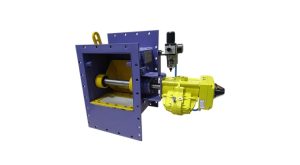
Automation has revolutionized the way flow control gates operate. Modern systems use sensors, actuators, and control algorithms to adjust the gate position in real time. This ensures consistent flow rates, prevents overflow, and optimizes energy consumption.
Advantages of automated gates:
- Reduced manual intervention: Operators can manage gates remotely.
- Precise flow control: Sensors detect fluctuations and adjust the gate automatically.
- Improved safety: Automation prevents sudden pressure surges and accidental releases.
- Data collection: Continuous monitoring helps in predictive maintenance.
Automated flow control gates are particularly useful in large-scale water management projects, wastewater treatment plants, and industrial operations where precision and reliability are critical.
Key Structural Components of a Flow Control Gate
Understanding the main structural components of a flow control gate can help operators identify issues early and maintain optimal performance.
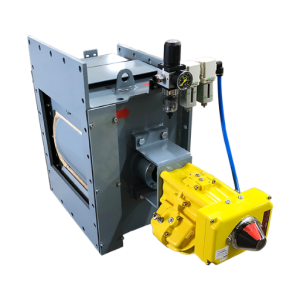
- Gate Leaf: The gate leaf is the part that physically blocks or allows flow. Materials vary from stainless steel to composite alloys depending on the application. Proper alignment of the leaf ensures smooth operation and prevents leakage.
- Frame: The frame supports the gate and anchors it to the channel or pipe. Frames must withstand hydraulic forces and environmental conditions without deforming.
- Seals: Seals prevent leakage around the gate leaf. High-quality rubber or elastomer seals are common, offering flexibility and durability.
- Actuator or Manual Gear: The actuator moves the gate leaf. Electric, hydraulic, or pneumatic actuators provide automation, while manual gears remain an option for small or simple installations.
- Guide Rails: Guide rails keep the gate leaf aligned during operation. Misaligned rails can cause friction, wear, and premature failure.
 Flow Control Gate Materials and Durability
Selecting the right material ensures a long lifespan and reduces maintenance costs. Common materials include stainless steel, ductile iron, and high-grade polymers.
| Material | Ideal Application | Advantages | Maintenance Considerations |
|---|---|---|---|
| Stainless Steel | Corrosive fluids, coastal areas | High corrosion resistance, strong | Occasional cleaning and lubrication |
| Ductile Iron | Freshwater channels | High strength, cost-effective | Protective coating required |
| High-Grade Polymer | Slurry or abrasive fluids | Lightweight, low friction | Monitor for surface wear |
Installation and Alignment Tips
- Ensure the frame is level and anchored securely.
- Verify gate leaf movement is smooth before full operation.
- Test seals under pressure to confirm no leakage.
- Maintain adequate clearance between the gate leaf and the channel walls.
Maintenance Practices to Extend Gate Life
- Inspect seals for wear and replace when necessary.
- Lubricate moving parts regularly to prevent friction.
- Check actuator performance and calibrate sensors for automated systems.
- Remove debris from channels to prevent obstruction.
Troubleshooting Common Flow Control Gate Issues
- Leakage: Often caused by damaged seals or misalignment. Inspect and replace seals as needed.
- Sticking or slow movement: Check for debris in guide rails or worn actuators.
- Noise or vibration: Can indicate loose components or improper alignment. Tighten and realign as necessary.
- Automation failure: Verify sensor calibration and actuator power supply.
Environmental Considerations
Flow control gates operate under varying environmental conditions. Choosing the right gate depends on temperature, fluid characteristics, and exposure to elements. For example, gates in salty water environments need corrosion-resistant materials, while gates in industrial wastewater must resist chemical exposure.
Innovations in Flow Control Gate Design
Recent innovations focus on efficiency, automation, and environmental sustainability. Some of the trends include:
- Smart actuators with AI-based predictive maintenance.
- Low-friction seals to reduce energy consumption.
- Modular designs for easier installation and maintenance.
- Eco-friendly materials that reduce environmental impact.
Cost Considerations
Cost varies based on material, size, and level of automation. While automated and high-grade material gates are more expensive initially, they save operational costs over time through efficiency and reduced maintenance.
- Manual gates: Lower initial cost, higher labor costs.
- Automated gates: Higher upfront, lower long-term operational cost.
- Material choice: Investing in corrosion-resistant materials reduces replacement frequency.
Frequently Asked Questions
- What is a flow control gate used for? A flow control gate regulates water or fluid flow in channels, pipelines, and industrial systems. It allows precise control over flow rates and prevents overflow or flooding.
- How do I know which gate material to choose? Consider the fluid type, chemical composition, and environmental exposure. Stainless steel is ideal for corrosive environments, ductile iron for freshwater, and polymers for abrasive fluids.
- Can flow control gates be automated? Yes. Modern flow control gates can use electric, hydraulic, or pneumatic actuators. Automation ensures precise operation, reduces labor, and allows remote control.
- How often should flow control gates be maintained? Regular inspection every 3–6 months is recommended. Check seals, lubricate moving parts, and test actuators to prevent unexpected failures.