Flow Control Gate Solutions for Industrial Applications
Modern industries depend on precise, reliable, and efficient flow regulation to maintain safety, productivity, and performance. Flow Control Gate Solutions for Industrial Applications play a critical role in controlling liquids, gases, bulk materials, and slurries across manufacturing, energy, water treatment, mining, and chemical processing sectors.
These systems ensure stable flow rates, minimize waste, enhance system efficiency, and protect infrastructure from pressure fluctuations or contamination. As industrial operations become more automated and data-driven, flow control gate technologies continue to evolve with smarter monitoring, stronger materials, and more adaptive control mechanisms.
This guide explores the technology, benefits, system types, design principles, selection factors, real-world use cases, and best practices behind modern flow control gate solutions, providing decision-makers with a comprehensive understanding of this essential industrial component.
Global Manufacturer of Flow Control Gate Systems
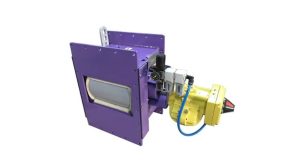
A global manufacturer of flow control gate systems must meet strict industrial standards while delivering durable, efficient, and scalable solutions. Leading manufacturers focus on engineering excellence, material innovation, and precision fabrication to serve multiple industries worldwide.
Top-tier manufacturers typically offer:
- Custom-engineered flow control gates for unique industrial requirements
- Corrosion-resistant materials for harsh environments
- Advanced sealing and actuation systems
- International certifications and quality compliance
- Scalable production and global service support
These manufacturers invest in research and development to improve product lifespan, reduce maintenance needs, and integrate automation-ready technologies. Their systems often support remote monitoring, smart sensors, and real-time performance analytics to enhance operational efficiency.
A strong global supply network also ensures rapid delivery, technical assistance, spare parts availability, and on-site commissioning, which helps minimize downtime and maintain uninterrupted production cycles.
Flow Control Gate Valves
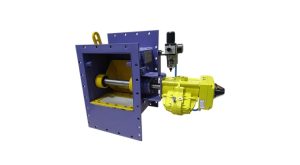
Flow control gate valves regulate material movement through pipelines, ducts, and process channels. Unlike traditional valves, these gates provide smooth, linear flow control while handling high-pressure and high-volume applications.
Key features of flow control gate valves include:
- High precision flow modulation
- Strong sealing performance to prevent leakage
- Low resistance for improved energy efficiency
- Compatibility with automated actuators
- Long service life under demanding operating conditions
These valves operate using mechanical, pneumatic, hydraulic, or electric actuators depending on process needs. Their ability to handle abrasive, viscous, or corrosive materials makes them ideal for industries requiring consistent and controlled flow delivery.
Proper valve selection ensures optimal system performance, energy savings, reduced wear, and improved process reliability.
Industrial Applications and Use Cases
Flow Control Gate Solutions for Industrial Applications serve a wide range of sectors that require stable flow management and high operational reliability.
Manufacturing and Production Lines
Factories use flow control gates to regulate material feed rates, cooling systems, hydraulic circuits, and compressed air networks. Accurate flow control ensures uniform product quality and efficient resource utilization.
Water and Wastewater Treatment
Municipal and industrial water facilities rely on flow control gates to manage water intake, filtration, chemical dosing, sludge transport, and discharge processes. These systems help maintain regulatory compliance and environmental protection.
Energy and Power Generation
Power plants use flow control gates to regulate steam, cooling water, fuel supply, and exhaust emissions. Efficient flow management supports turbine performance, reduces energy losses, and enhances operational safety.
Mining and Bulk Material Handling
Mining operations depend on heavy-duty flow gates to control ore transport, slurry pipelines, dust suppression systems, and mineral processing lines. These gates withstand abrasion, vibration, and extreme loads.
Chemical and Petrochemical Processing
Chemical plants require highly resistant flow control solutions to manage aggressive fluids, reactive gases, and high-temperature materials. Precision control prevents contamination, maintains safety, and stabilizes chemical reactions.
Core Benefits of Flow Control Gate Systems
Industries adopt Flow Control Gate Solutions for Industrial Applications because they deliver measurable performance and financial advantages.
Improved Process Efficiency
Flow control gates stabilize material movement, reduce turbulence, and optimize throughput. This leads to smoother operations, higher production yields, and lower waste levels.
Enhanced Safety and Compliance
Proper flow regulation reduces pressure surges, prevents spills, and ensures adherence to environmental and industrial safety standards.
Reduced Maintenance and Downtime
Modern gate systems use wear-resistant materials and modular components, making them easier to service while extending operational lifespan.
Energy Optimization
Efficient flow control reduces pump load, lowers energy consumption, and minimizes system strain, improving overall sustainability.
Scalable System Integration
Flow control gates integrate seamlessly with automation platforms, sensors, and digital control networks, supporting Industry 4.0 transformation.
Key Components of a Flow Control Gate System
A typical flow control gate system consists of several engineered elements that work together to ensure consistent performance.
Gate Body
The body forms the main structure and provides mechanical strength. Manufacturers use stainless steel, cast iron, carbon steel, or composite materials depending on operating conditions.
Gate Blade
The blade regulates flow by opening, closing, or modulating passageways. Precision machining ensures smooth movement and tight sealing.
Sealing Mechanism
High-performance seals prevent leaks and maintain pressure stability. Elastomeric, PTFE, or metal seals are selected based on temperature and chemical exposure.
Actuation System
Actuators drive gate movement using electric motors, pneumatic cylinders, or hydraulic systems. Automation-ready actuators enable remote and programmable control.
Control and Monitoring Interface
Modern systems include sensors, feedback loops, and control panels to track flow rates, pressure, and operational status in real time.
Selection Criteria for Industrial Flow Control Gates
Choosing the right Flow Control Gate Solutions for Industrial Applications requires careful evaluation of technical, environmental, and operational factors.
- Process Medium
- Temperature and Pressure
- Flow Rate Requirements
- Environmental Conditions
- Automation Compatibility
- Maintenance Accessibility
Comparison Table: Flow Control Gate Types
| Flow Control Gate Type | Best Application | Key Advantage | Typical Industry |
|---|---|---|---|
| Manual Gate Control | Low-demand operations | Cost efficiency | Small-scale manufacturing |
| Pneumatic Gate System | Medium automation | Fast response time | Food & beverage |
| Hydraulic Gate Control | Heavy-duty loads | High force capacity | Mining & metals |
| Electric Actuated Gate | Smart automation | Precision and remote control | Energy & water treatment |
| Smart IoT Gate System | Advanced monitoring | Real-time optimization | Smart factories |
Installation and Best Practices
Recommended Practices
- Align gates accurately to prevent wear
- Use certified mounting hardware and supports
- Calibrate actuators for smooth movement
- Test sealing under operating pressure
- Implement scheduled inspection routines
Common Mistakes to Avoid
- Oversizing or undersizing gates
- Ignoring environmental exposure
- Using incompatible sealing materials
- Neglecting periodic performance audits
A proactive maintenance plan reduces breakdown risks and extends equipment lifespan.
Emerging Trends in Flow Control Gate Technology
- Smart Monitoring
- Advanced Materials
- Energy-Efficient Actuation
- Modular System Design
- Integration with Industrial Automation
Cost Considerations and ROI
Cost Factors
- Gate size and capacity
- Material selection
- Actuation type
- Automation features
- Installation complexity
Return on Investment Benefits
- Reduced energy expenses
- Lower maintenance costs
- Increased production efficiency
- Extended equipment lifespan
- Fewer operational disruptions
Sustainability and Environmental Impact
- Minimize fluid and energy waste
- Prevent leaks and contamination
- Support emissions control
- Improve water conservation
- Enhance eco-compliance
Case Study Highlights
Power Plant Optimization
A power generation facility installed smart flow control gates to stabilize cooling water circulation. The system improved thermal efficiency and reduced energy consumption by over 12%.
Mining Operation Efficiency
A mining company deployed hydraulic flow control gates for slurry transport. The upgrade reduced maintenance downtime and increased throughput capacity.
Chemical Plant Safety Upgrade
A chemical processing plant replaced outdated valves with corrosion-resistant flow control gates, improving safety compliance and reducing leak incidents.
Future Outlook
- Fully autonomous flow regulation
- AI-assisted predictive maintenance
- Ultra-durable self-healing materials
- Cloud-based control dashboards
- Zero-leak sealing technologies
Frequently Asked Questions
Manufacturing, energy, mining, water treatment, chemical processing, and bulk material handling industries benefit significantly from flow control gate systems due to their need for precise and reliable flow regulation.
Flow control gate valves provide smoother modulation, higher durability under heavy loads, improved sealing performance, and better compatibility with automated control systems.
Routine inspection, seal replacement, actuator calibration, lubrication, and performance testing help maintain reliability and extend system lifespan.
Organizations should evaluate process medium, operating conditions, automation requirements, environmental exposure, and maintenance capabilities before selecting a system.