
Choosing the Right Flow Control Gate for Your Project
In engineering projects, selecting the right flow control gate is crucial for optimizing fluid management and ensuring operational efficiency. A proper gate design controls water, air, or other fluids with precision, reduces energy consumption, and prevents damage to downstream equipment. Whether you are working on a hydroelectric dam, irrigation system, or industrial piping network, understanding flow control gate options and installation requirements is essential for project success.
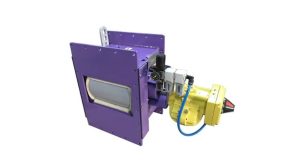
Top Flow Control Gate Designs for Modern Engineering Projects
Modern engineering projects demand flow control gates that balance performance, durability, and maintenance needs. Here are the most common designs used in contemporary applications:
Radial Gates
Radial gates, also called tainter gates, rotate around a horizontal axis. They efficiently handle large volumes of water and are ideal for dams and spillways. The curved structure distributes pressure evenly, reducing stress on supporting structures.
Advantages:
- Smooth operation under high hydraulic pressure
- Minimal leakage due to tight sealing
- Adaptable to large-scale water management projects
Disadvantages:
- Higher initial cost
- Requires precise engineering for installation
Slide Gates
Slide gates move vertically to regulate flow. They are widely used in irrigation channels, wastewater systems, and industrial pipelines. Their straightforward design allows for easy maintenance and integration with automated controls.
Advantages:
- Simple construction and reliable performance
- Easy to automate with electric or hydraulic actuators
- Cost-effective for medium-scale applications
Disadvantages:
- Less suitable for high-pressure environments
- May require frequent lubrication of moving parts
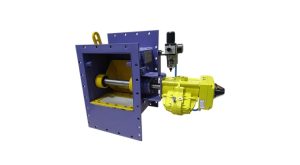
Knife Gates
Knife gates are designed for fluids containing suspended solids, such as slurry or wastewater. They cut through thick fluids without clogging, making them ideal for mining, pulp, and paper industries.
Advantages:
- Effective for sludge or abrasive fluids
- Compact design fits in tight spaces
- Low operational torque required
Disadvantages:
- Limited use in high-pressure systems
- Gate material must resist corrosion and abrasion
Butterfly Gates
Butterfly gates rotate a disc to control flow and are popular in HVAC, water treatment, and chemical processing systems. They offer quick shutoff and moderate cost.
Advantages:
- Lightweight and easy to install
- Quick operation for flow regulation
- Compatible with automation systems
Disadvantages:
- Can cause pressure drops if not sized properly
- Sealing may deteriorate over time
Expert Tip: When selecting a flow control gate, consider both fluid type and project scale. For abrasive or slurry-laden flows, knife gates outperform slide or butterfly designs.
Flow Control Gate Installation: Step-by-Step Technical Guide
Installing a flow control gate correctly ensures efficiency and longevity. Here’s a step-by-step guide:
- Preparation
- Review engineering drawings and gate specifications.
- Inspect the mounting structure for alignment and stability.
- Ensure access for maintenance and actuator installation.
- Alignment
- Use laser or level tools to check the gate frame alignment.
- Misalignment can cause uneven pressure, leakage, and premature wear.
- Mounting
- Lift the gate carefully using cranes or hoists.
- Secure the gate to the frame using manufacturer-recommended bolts or welding.
- Actuator Installation
- Attach hydraulic, pneumatic, or electric actuators according to instructions.
- Test actuator movement without load to ensure smooth operation.
- Sealing and Testing
- Install seals and gaskets as specified.
- Conduct initial dry testing to check gate movement.
- Perform wet testing to verify leak prevention and flow control.
- Final Adjustments
- Fine-tune actuator settings and limit switches.
- Lubricate moving parts and check for smooth operation.
Dikkat Edilmesi Gerekenler: Always follow the manufacturer’s torque specifications for fasteners and verify gate alignment before wet testing. Misalignment is the most common cause of operational failures.
Selecting the Right Material for Your Flow Control Gate
The material of a flow control gate directly affects durability, maintenance, and performance. Here are common materials:
| Material | Typical Use Case | Advantages | Disadvantages |
|---|---|---|---|
| Stainless Steel | Corrosive or abrasive fluids | High corrosion resistance, long lifespan | Higher cost |
| Carbon Steel | General industrial applications | Strong and cost-effective | Prone to rust without coating |
| Aluminum | Lightweight applications | Low weight, easy installation | Limited pressure tolerance |
| Ductile Iron | Wastewater and municipal projects | High strength, moderate cost | Requires regular maintenance |
Expert Tip: Match gate material to fluid type and environmental conditions. For saltwater applications, stainless steel or coated carbon steel prevents rapid corrosion.
Automation and Control Integration
Modern projects often require automated flow control gates. Automated gates improve precision, reduce labor, and enhance safety.
Automation Considerations:
- Actuator type: electric, hydraulic, or pneumatic
- Integration with SCADA or PLC systems
- Sensor feedback for real-time flow monitoring
- Emergency manual override
Sık Yapılan Hatalar:
- Choosing actuators without considering torque requirements
- Failing to provide manual override for emergencies
- Ignoring compatibility with existing control systems
Maintenance and Longevity
Maintaining flow control gates ensures operational efficiency and reduces downtime.
Maintenance Checklist:
- Regular lubrication of moving parts
- Inspect seals and gaskets for wear
- Test actuator operation periodically
- Clean debris accumulation in gate channels
Dikkat Edilmesi Gerekenler: Never bypass regular inspections; even small misalignments or seal degradation can lead to major failures.
Expert Tip: Schedule maintenance during low-flow periods to prevent operational disruption.
Common Mistakes in Flow Control Gate Projects
- Selecting gate design without considering fluid characteristics
- Underestimating installation complexity
- Ignoring environmental factors like temperature and corrosion
- Skipping actuator sizing calculations
By avoiding these errors, engineers ensure longer service life, better flow control, and fewer operational disruptions.
Conclusion
Choosing the right flow control gate is a critical decision for any engineering project. Considering fluid type, gate design, material, installation process, and automation needs guarantees optimal performance. Following technical guidelines and avoiding common mistakes ensures the gate operates reliably for years. Proper selection and maintenance ultimately save costs and enhance project efficiency.
Frequently Asked Questions
What is the best flow control gate for abrasive fluids?
Knife gates are most suitable for abrasive or slurry-laden fluids because they cut through solids without clogging.
Can I automate a slide gate for remote operation?
Yes, slide gates can be automated with electric, hydraulic, or pneumatic actuators and integrated into SCADA or PLC systems.
How often should flow control gates be maintained?
Perform routine inspections at least every 6 months, including lubrication, seal checks, and actuator testing.
What material is recommended for corrosive water environments?
Stainless steel or coated carbon steel is ideal for corrosion resistance and long-term durability in corrosive environments.