
Maintenance Tips for Long-Lasting Flow Control Gates
Flow control gates play a crucial role in regulating the flow of liquids and gases in various industrial and municipal systems. Maintaining these gates ensures optimal performance, prevents unexpected downtime, and extends their operational lifespan. With proper care, flow control gates can outperform standard valves in both reliability and efficiency. In this guide, we will explore key maintenance practices, compare flow control gates with standard valves, and discuss advanced technologies that enhance modern infrastructure.
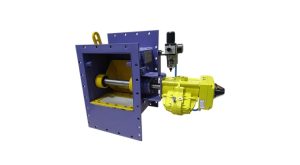
Flow Control Gates vs. Standard Valves
Flow control gates and standard valves serve similar purposes but differ significantly in design and functionality. Standard valves, such as ball valves or butterfly valves, rely on simple opening and closing mechanisms. In contrast, flow control gates provide precise control over fluid flow, which is essential for systems that demand accuracy and stability.
The durability of flow control gates surpasses that of many standard valves, especially in high-pressure or high-volume environments. Their robust construction allows them to handle abrasive materials, high temperatures, and continuous operation without frequent replacements. For industries like water treatment, power generation, and chemical processing, this advantage translates into cost savings and improved efficiency.
Another benefit of flow control gates lies in their maintenance predictability. Unlike standard valves that may fail unexpectedly due to seal or actuator issues, gates offer smoother operation and require less frequent interventions when properly maintained. Establishing a regular inspection schedule ensures long-term reliability and reduces emergency repairs.
Flow Control Gate Technology for Modern Infrastructure
Modern infrastructure projects demand systems that combine durability with smart performance. Flow control gate technology has evolved to meet these needs, integrating advanced materials, automation, and remote monitoring capabilities. High-performance coatings resist corrosion and wear, while precision actuators enable accurate adjustments in real time.
Automation has revolutionized gate operation. Smart control systems allow operators to monitor flow rates, detect anomalies, and make adjustments without manual intervention. This capability is especially valuable in urban water networks, wastewater treatment facilities, and industrial pipelines.
Material innovation also contributes to longevity. Engineers now use composite alloys, stainless steel, and reinforced polymers to construct gates that withstand harsh chemicals, extreme temperatures, and abrasive particulates. The combination of robust materials and intelligent design ensures consistent performance over decades.
Routine Inspection and Cleaning Practices
Maintaining flow control gates begins with regular inspection and cleaning. Visual inspections identify surface corrosion, seal wear, or mechanical misalignment. Early detection prevents minor issues from escalating into costly failures.
Cleaning practices vary depending on the system. For water or wastewater applications, removing sediment, biofilm, and debris is essential. For chemical plants, rinsing with neutralizing solutions prevents chemical buildup. Maintenance teams should document each inspection, creating a detailed log of observations, repairs, and component replacements.
Preventive maintenance schedules often include lubrication of moving parts, seal replacement, and actuator calibration. A structured routine ensures gates operate smoothly, even under fluctuating flow rates or extreme operating conditions.
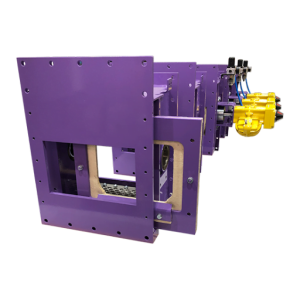
Lubrication and Actuator Care
Lubrication plays a critical role in extending the lifespan of flow control gates. Proper lubrication reduces friction, prevents wear, and ensures smooth operation of moving components. High-quality lubricants suitable for the specific operating environment prevent contamination and corrosion.
Actuators, whether pneumatic, hydraulic, or electric, require periodic attention. Regularly checking actuator performance, calibration, and response times helps maintain precise control. Malfunctioning actuators can strain gate mechanisms, leading to premature wear or failure. Combining lubrication with actuator care creates a holistic maintenance approach that minimizes operational disruptions.
Common Issues and Troubleshooting
Even well-maintained flow control gates can encounter issues over time. Identifying and addressing these problems quickly prevents extensive damage. Some common issues include:
- Seal degradation: Leads to leaks and reduced efficiency. Regular inspection and timely replacement solve this problem.
- Corrosion or scaling: Affects gate integrity. Implement cleaning schedules and protective coatings.
- Mechanical misalignment: Causes uneven wear. Proper installation and alignment checks reduce this risk.
- Actuator malfunction: Impairs flow control. Routine actuator testing ensures responsiveness.
Developing a troubleshooting guide for maintenance staff improves response times and standardizes corrective actions across teams.
Benefits of Scheduled Maintenance Programs
Implementing a structured maintenance program provides measurable benefits. Routine inspections, cleaning, and lubrication reduce downtime and repair costs. They also extend the flow control gate lifespan, enhancing return on investment.
Scheduled maintenance allows operators to plan downtime strategically, avoiding disruption to critical infrastructure. Predictive maintenance, supported by monitoring sensors, further improves system reliability. By tracking gate performance over time, maintenance teams can anticipate potential issues before they escalate.
Performance Optimization Techniques
Optimizing flow control gates involves more than routine upkeep. Fine-tuning gate settings to match system requirements maximizes efficiency. Flow simulations and monitoring data help identify optimal operating parameters.
Advanced technologies, such as variable-speed actuators and digital controllers, allow dynamic adjustment of flow rates. Combining real-time data analysis with mechanical adjustments ensures consistent performance, even during peak demand periods.
Maintenance Checklist for Flow Control Gates
| Task | Frequency | Notes |
|---|---|---|
| Visual inspection | Monthly | Look for corrosion, debris, and misalignment |
| Cleaning | Quarterly | Remove sediment, biofilm, or chemical buildup |
| Lubrication | Quarterly | Apply manufacturer-approved lubricants |
| Seal inspection | Every 6 months | Replace worn or damaged seals |
| Actuator testing | Every 6 months | Ensure proper calibration and response |
| Performance review | Annually | Assess flow efficiency and make adjustments |
Advanced Material Considerations
Choosing the right materials is essential for long-lasting gates. Stainless steel, corrosion-resistant alloys, and reinforced composites provide superior durability. In aggressive chemical environments, specialized coatings protect against pitting and wear.
Material selection also affects maintenance frequency. Durable materials reduce the need for frequent interventions, allowing operators to focus on monitoring and performance optimization rather than constant repairs.
Sizing and Installation Recommendations
Proper sizing and installation are critical for flow control gate longevity. Oversized or undersized gates may experience excessive stress, leading to accelerated wear. Collaborating with engineers during the design phase ensures that gates match system flow rates, pressure requirements, and environmental conditions.
Installation best practices include:
- Ensuring precise alignment with pipeline flanges.
- Securing actuators and linkages according to manufacturer specifications.
- Implementing protective covers in high-debris environments.
Following these guidelines prevents operational issues and enhances long-term reliability.
Safety Protocols in Gate Maintenance
Maintenance personnel must adhere to strict safety protocols. Lockout-tagout procedures prevent accidental operation during servicing. Protective equipment, such as gloves, goggles, and respiratory protection, reduces exposure to hazardous materials.
Proper training ensures staff can identify risks, operate tools safely, and respond effectively in emergencies. Safe practices not only protect workers but also maintain the integrity of flow control gates during maintenance.
Energy Efficiency Considerations
Well-maintained flow control gates contribute to energy-efficient systems. Smooth operation reduces resistance, minimizing pump and actuator energy consumption. Properly calibrated gates ensure the system operates at optimal flow rates, avoiding unnecessary energy expenditure.
In large-scale operations, such as water treatment plants or industrial complexes, these energy savings accumulate significantly, reinforcing the importance of consistent maintenance and performance monitoring.
Lifecycle Cost Analysis
Investing in high-quality flow control gates and maintenance programs reduces total lifecycle costs. While initial installation costs may be higher than standard valves, long-term savings from reduced downtime, fewer replacements, and lower energy consumption justify the investment.
Lifecycle cost analysis should consider:
- Initial purchase and installation
- Routine maintenance and inspections
- Energy consumption
- Potential downtime costs
- Replacement and repair expenses
This holistic approach provides a clear picture of the economic benefits of maintaining flow control gates.
FAQs
- How often should I inspect my flow control gates?
Visual inspections should occur monthly, with more thorough cleaning and lubrication every three to six months, depending on system conditions. - Can flow control gates handle abrasive materials?
Yes, gates designed with robust materials and coatings resist wear from abrasive fluids, outperforming standard valves in these environments. - What are common signs of gate failure?
Leaks, unusual noises, actuator delays, and reduced flow efficiency indicate potential problems. Early detection allows for timely maintenance. - Are automated gates easier to maintain than manual ones?
Automated gates provide real-time monitoring and remote adjustments, which can simplify maintenance and reduce human error, though they still require routine inspections and lubrication.