
Key Advantages of Modern Flow Control Gate Technology
Modern flow control gate technology plays a critical role in improving efficiency, safety, and precision in industrial material handling systems. It enables operators to control the movement of bulk materials with high accuracy, reduce waste, and optimize production processes. Companies increasingly adopt these systems because they deliver better performance, lower maintenance costs, and greater operational flexibility compared to traditional solutions.
Introduction
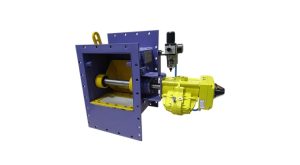
Flow control gate technology provides precise regulation of bulk material flow in industrial systems, helping businesses improve efficiency, reduce downtime, and enhance operational safety. These systems outperform traditional valves and gates by offering faster response times, better sealing performance, and longer service life.
Understanding Modern Flow Control Gate Technology
Modern flow control gates manage the movement of powders, granules, and bulk solids within industrial systems. Engineers design these gates to handle demanding environments where accuracy and durability matter most. Unlike conventional systems, modern gates use advanced materials and precision engineering to ensure consistent performance.
Manufacturers integrate automation capabilities into these systems. Operators can control flow rates digitally, which improves accuracy and reduces human error. This advancement transforms industries that rely heavily on material handling, such as cement, mining, and food processing.
These systems also support sustainability goals. By minimizing material loss and improving efficiency, companies reduce waste and energy consumption. As a result, modern gates contribute to both operational and environmental improvements.
Industrial Applications of Flow Control Gates
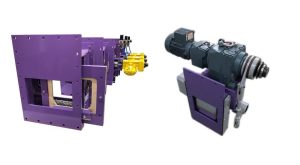
Industries rely on flow control gates to manage material flow efficiently and safely. These systems support various applications across different sectors, making them essential components in modern industrial operations.
Key Industries Using Flow Control Gates
- Cement and construction material production
- Mining and mineral processing
- Food and beverage manufacturing
- Chemical and pharmaceutical industries
- Power plants and energy facilities
Each industry requires precise control over material flow. Flow control gates ensure that materials move smoothly without clogging, leakage, or inconsistent discharge.
Common Use Cases
- Regulating material flow from silos and hoppers
- Controlling discharge rates in conveyor systems
- Isolating sections of pipelines during maintenance
- Preventing contamination between material batches
Operators benefit from improved control and reliability. This leads to higher productivity and fewer operational disruptions.
Why Flow Control Gates Are Replacing Traditional Systems
Traditional flow control systems often struggle with inefficiency, wear, and lack of precision. Modern solutions address these limitations with innovative designs and advanced technology.
Key Reasons for the Shift
- Higher precision in material flow control
- Improved sealing performance
- Reduced maintenance requirements
- Longer operational lifespan
- Integration with automation systems
Traditional valves often fail to provide consistent flow rates. In contrast, modern gates allow operators to adjust flow levels accurately, which improves overall process control.
Additionally, older systems require frequent maintenance due to wear and tear. Modern flow control gates use durable materials and optimized designs to reduce downtime and maintenance costs.
Core Advantages of Modern Flow Control Gate Technology
Enhanced Precision and Control
Operators achieve precise control over material flow rates. This reduces waste and ensures consistent production quality. Advanced control systems allow real-time adjustments based on operational needs.
Improved Durability
Manufacturers design modern gates using high-quality materials such as stainless steel and reinforced alloys. These materials resist corrosion, abrasion, and extreme temperatures.
Increased Efficiency
Efficient material flow minimizes bottlenecks in production lines. Companies experience smoother operations and higher throughput.
Reduced Maintenance Costs
Modern systems require less frequent maintenance due to their robust construction. This reduces operational interruptions and lowers long-term costs.
Better Safety Standards
Modern gates include safety features that protect both equipment and personnel. These systems prevent accidental discharge and reduce the risk of equipment failure.
Comparison Table: Modern vs Traditional Flow Control Systems
| Feature | Modern Flow Control Gates | Traditional Systems |
|---|---|---|
| Flow Precision | High | Low |
| Maintenance Frequency | Low | High |
| Durability | Excellent | Moderate |
| Automation Compatibility | Fully Compatible | Limited |
| Operational Efficiency | High | Moderate |
| Leakage Risk | Minimal | Higher |
Technological Innovations in Flow Control Gates
Automation and Smart Control
Smart control systems allow operators to monitor and adjust flow remotely. Sensors provide real-time data, enabling predictive maintenance and improved efficiency.
Advanced Sealing Mechanisms
Improved sealing technology prevents leakage and contamination. This proves especially important in industries like food processing and pharmaceuticals.
Customizable Designs
Manufacturers design gates tailored to specific industrial needs. Customization ensures optimal performance in different environments and applications.
Expert Tip
Always select a flow control gate based on material type, operating conditions, and required precision. Choosing the wrong system can lead to inefficiencies and increased maintenance costs.
Practical Benefits for Businesses
Operational Benefits
- Improved production consistency
- Reduced material waste
- Faster processing times
Financial Benefits
- Lower maintenance expenses
- Reduced downtime
- Higher return on investment
Environmental Benefits
- Less material loss
- Lower energy consumption
- Improved sustainability
Things to Consider Before Implementation
Key Considerations
- Type and properties of the material
- Operating temperature and pressure
- Required flow accuracy
- Maintenance requirements
- Integration with existing systems
Ignoring these factors can lead to performance issues and increased operational costs.
Common Mistakes
Many businesses make avoidable mistakes when implementing flow control systems.
Frequent Errors
- Choosing the wrong gate type for the material
- Ignoring maintenance requirements
- Overlooking automation compatibility
- Focusing only on initial cost instead of long-term value
Understanding these mistakes helps companies make better decisions and maximize system performance.
Future Trends in Flow Control Gate Technology
Emerging Trends
- Increased use of AI-driven automation
- Integration with IoT systems
- Development of more durable materials
- Enhanced energy efficiency
These advancements will further improve industrial efficiency and reduce operational costs.
Conclusion
Modern flow control gate technology delivers unmatched precision, durability, and efficiency in industrial applications. Companies that adopt these systems benefit from improved performance, reduced costs, and enhanced safety. As industries continue to evolve, flow control gates will remain a key component in optimizing material handling processes.
Frequently Asked Questions
What is a flow control gate used for?
A flow control gate regulates the movement of bulk materials in industrial systems. It ensures controlled and consistent material flow.
Why are modern flow control gates better than traditional systems?
Modern systems offer higher precision, better durability, and lower maintenance requirements compared to traditional solutions.
Which industries benefit the most from flow control gates?
Industries such as cement, mining, food processing, and chemicals benefit significantly from these systems.
How do I choose the right flow control gate?
You should consider material type, operating conditions, and required precision to select the most suitable system.