
Industrial Applications of Flow Control Gate Systems
In modern industrial processes, precision and reliability in controlling fluid or gas flow are essential. Flow control gate systems have emerged as a vital solution, offering unparalleled efficiency compared to traditional valves. Their ability to handle large volumes, resist wear, and provide consistent control makes them indispensable in sectors ranging from water treatment to chemical manufacturing. By integrating these systems, companies optimize energy usage, reduce maintenance costs, and achieve operational excellence.
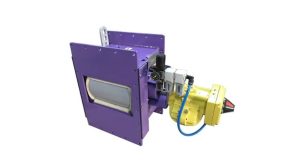
Flow Control Gate vs Traditional Valves
When evaluating flow management technologies, the comparison between flow control gate systems and traditional valves is critical. Traditional valves, such as globe or gate valves, perform adequately under standard conditions but often struggle in high-pressure or high-volume environments. Flow control gates, in contrast, provide more precise regulation, allowing operators to adjust flow rates without creating turbulence or pressure drops.
The benefits extend beyond performance. Maintenance requirements are lower for flow control gates due to their robust construction and reduced mechanical stress. They also excel in applications where rapid response to flow changes is necessary, such as industrial cooling systems or wastewater treatment plants. The choice between these two solutions depends on operational demands, budget, and long-term efficiency goals.
Key Advantages of Flow Control Gates over Traditional Valves:
- Smooth and precise flow regulation
- Reduced risk of erosion and wear
- Faster response to changing operational conditions
- Lower long-term maintenance costs
Flow Control Gate Design Principles
The design of a flow control gate system combines engineering precision with functional adaptability. Engineers consider factors like fluid velocity, pressure, and chemical composition to ensure optimal performance. Materials are selected based on corrosion resistance, durability, and the operating environment, which can range from industrial water channels to chemical reactors.
A well-designed system emphasizes modularity and adjustability. Components such as actuators, sensors, and seals are integrated to allow operators real-time control and monitoring. Design innovations often focus on minimizing energy consumption while maximizing flow efficiency. Computational fluid dynamics (CFD) simulations help predict performance under various scenarios, ensuring reliability and longevity.
Table: Common Design Features of Flow Control Gate Systems
| Feature | Description |
|---|---|
| Gate Material | Stainless steel, carbon steel, or composite alloys for corrosion resistance |
| Actuation Mechanism | Hydraulic, pneumatic, or electric actuators |
| Seal Type | Resilient or metal seals to prevent leakage |
| Control Precision | Adjustable flow rate with minimal turbulence |
| Maintenance Accessibility | Easy access panels for inspection and servicing |
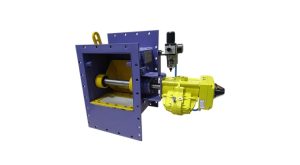
Applications Across Industries
Flow control gate systems find applications in diverse industrial sectors. In water treatment plants, they regulate inflow and outflow, maintaining stable pressure and preventing overflow. Chemical plants rely on them to control hazardous fluids safely, avoiding leaks or uncontrolled reactions. Energy generation facilities use these gates in cooling systems and hydropower plants to manage water flow efficiently.
Moreover, industries such as mining, food and beverage, and pharmaceuticals implement flow control gates for precise ingredient dosing, slurry handling, and process automation. The versatility of these systems makes them a cornerstone of modern industrial automation strategies.
Benefits in Industrial Applications:
- Enhances process safety
- Reduces operational downtime
- Supports automation and remote control
- Optimizes fluid management and energy use
Maintenance and Operational Best Practices
Proper maintenance ensures that flow control gate systems function optimally for decades. Regular inspections, lubrication of moving parts, and periodic calibration of actuators and sensors prevent unexpected failures. Operators should follow manufacturer-recommended procedures and leverage predictive maintenance tools to detect early signs of wear or malfunction.
Training personnel on operational best practices is equally important. Understanding the system’s dynamics and potential failure points allows staff to respond quickly to anomalies. This proactive approach extends equipment life, reduces repair costs, and ensures uninterrupted industrial operations.
Environmental and Safety Considerations
Flow control gates contribute significantly to environmental protection and workplace safety. By regulating the release of fluids and gases, they minimize the risk of spills, leaks, and contamination. In wastewater treatment or chemical processing, accurate flow control ensures that harmful substances do not exceed safe limits.
Safety features such as fail-safe actuators and emergency shut-off mechanisms provide additional protection. Systems are often designed to comply with international safety standards, ensuring that industries meet regulatory requirements while safeguarding employees and surrounding communities.
Future Trends in Flow Control Gate Technology
The evolution of flow control gate systems aligns closely with the broader trend of Industry 4.0. Smart sensors, IoT connectivity, and predictive analytics allow operators to monitor system performance in real-time. AI-driven optimization enhances energy efficiency, identifies potential maintenance needs, and adapts flow rates dynamically based on process requirements.
Integration with digital twins enables simulation of entire industrial processes, reducing the risk of operational errors. Additionally, advances in materials science promise longer-lasting components capable of withstanding extreme temperatures, pressures, and corrosive environments.
FAQs
- Q1: How does a flow control gate differ from a standard valve?
- A flow control gate provides smoother, more precise regulation of fluid flow, reducing turbulence and pressure loss compared to standard valves. They also require less maintenance and offer faster operational response.
- Q2: What industries benefit most from flow control gate systems?
- Industries including water treatment, chemical processing, energy generation, mining, pharmaceuticals, and food production see significant advantages, especially where precision and safety are crucial.
- Q3: How often should flow control gates be maintained?
- Routine inspections are recommended every 6–12 months, with additional calibration or lubrication as needed. Predictive maintenance can further extend lifespan and prevent unplanned downtime.
- Q4: Are flow control gates environmentally friendly?
- Yes, by accurately managing fluid release and preventing leaks, they minimize waste, reduce contamination risks, and contribute to safer industrial operations.