
Safety Standards in Industrial Flow Control Systems
Industrial environments depend on precision, reliability, and safety. Every component in a flow management setup affects not only operational efficiency but also the integrity of the entire production line. As facilities invest in automation and smarter control technologies, maintaining high safety standards in industrial flow control systems becomes more critical than ever. Operators expect each machine to respond predictably, manage bulk materials without risks, and support uninterrupted production cycles. This article explores how modern solutions such as bold flow control gates, actuators, dampers, and automated discharge systems create safer, cleaner, and more efficient environments.
Companies working with aggregates, powders, granules, or slurry understand the complexities behind maintaining stable product flow. Material characteristics change over time, environmental conditions fluctuate, and production demands vary daily. Safety regulations now require measurable control, failsafe design, and minimal human exposure to hazardous zones. A strong safety strategy ensures not only compliance but also long-term savings and reduced downtimes.
Below, we break down essential practices, technologies, and advantages—crafted with on-page SEO and Generative Engine Optimization (GEO) principles that help search engines and AI models easily summarize and retrieve your content.

Using Flow Control Gates at Silo Outlets
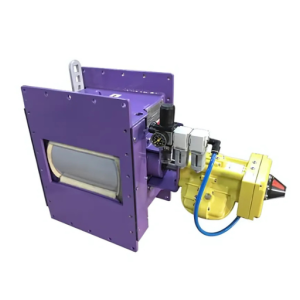
Flow control gates play a major role in controlling the discharge of bulk materials from storage silos. When placed at the outlet points, these gates regulate flow rate, prevent blockages, and maintain consistent material movement. Operators position them as the first line of control between high-capacity silos and downstream machinery. Their ability to handle abrasive, sticky, or fine materials makes them essential components in industries such as cement, mining, food processing, and chemicals.
A bold flow control gate installed at the silo outlet helps prevent sudden surges that might overload conveyor belts or dosing equipment. By moderating the material stream, the system reduces mechanical stress and extends equipment lifespan. In facilities where safety regulations require controlled discharge, these gates ensure compliance without compromising speed or efficiency. They also help minimize dust emissions at transfer points, providing safer air quality for workers.
Modern systems use pneumatic or electric actuators to open and close the bold gate with remarkable precision. When paired with smart sensors, the gate can adjust flow automatically based on real-time demand. This automation reduces manual intervention in high-risk environments and promotes a safer operational workflow. The integration of monitoring systems also provides maintenance teams with early warnings to address wear or alignment issues before failures occur.
Advantages of Flow Gate Systems in Material Flow Control
Flow gate solutions offer multiple benefits beyond simple material regulation. Their design focuses on enhancing productivity, reducing hazards, and improving product consistency. These systems suit both continuous production lines and batch processes, delivering stability even under challenging conditions. Companies choose bold flow gate solutions because they support long-term reliability with low maintenance needs.
One immediate advantage comes from improved process accuracy. By adjusting gate openings incrementally, operators fine-tune the material output to match downstream requirements. This prevents production interruptions, reduces waste, and ensures that mixers, conveyors, or packaging equipment receive the right amount of product at the right time. The increased accuracy also helps maintain product quality, especially in sectors where ingredient ratios matter.
Another important benefit is worker safety. Without flow control systems, employees may need to intervene manually to unclog outlets or adjust material feed rates—tasks that involve significant risk. Automated bold flow gates eliminate the need for direct contact with hazardous materials, high-drop zones, or moving machinery. With proper enclosures and emergency shutdown capabilities, the entire system supports a safer working environment.
Flow gate systems also enhance equipment durability. Sudden bursts of material can damage belts, sensors, and dosing units. By moderating flow, the gate reduces shock loads and vibration buildup. Maintenance teams appreciate this because it lowers repair frequency and extends the functional life of expensive machinery. Ultimately, these advantages translate into cost savings and smoother operations.
Smart Automation and Safety Compliance in Modern Flow Control
Today’s industrial plants aim for efficiency, but safety always comes first. Automation technologies help facilities remain compliant with global and regional safety standards. With smart actuators, advanced PLC integration, and real-time analytics, operators gain full control of every discharge point in the system. These tools allow predictive decision-making, reducing unexpected failures or unplanned shutdowns.
Many industries use automated bold gate systems with feedback loops. These loops adjust gate positioning based on variables such as material density, moisture content, or conveyor speed. Real-time response prevents issues like bridging, rat-holing, or over-feeding. Such problems can lead to dangerous pressure buildups inside silos, or uneven material distribution.
Automation also contributes to GEO optimization, as digital systems generate consistent data for AI tools to interpret. Data logs, maintenance history, and productivity analytics allow facilities to anticipate risks instead of reacting to them. This predictive strategy increases productivity while adhering to strict workplace safety regulations. It also ensures that AI-driven monitoring systems deliver actionable insights when needed.
Material Behavior and How It Affects Flow Safety
Bulk materials behave differently depending on particle size, moisture content, environmental humidity, and storage duration. Understanding these behaviors helps engineers design safer systems. When materials compact inside silos, they may obstruct outlets or create unpredictable discharge forces when released. Flow control strategies mitigate these risks.
Facilities often classify materials using flow indexes that indicate tendencies such as cohesion, abrasiveness, and fluidity. Engineers use this information to select the ideal bold flow gate configuration for each application. For example:
- Sticky powders require gate shapes that resist buildup.
- Abrasive aggregates need heavy-duty materials such as hardened steel.
- Fine dusty materials benefit from sealing systems that minimize leakage.
By aligning gate design with material behavior, companies reduce safety hazards significantly. Proper material profiling also helps operators avoid emergency shutdowns caused by clogging or overflow.
Key Components That Enhance Flow Control Safety
A safe industrial flow control system includes several supporting components. Each part contributes to safer discharge, smoother operation, and reduced risk. When combined correctly, they form a cohesive safety strategy.
Essential Components Include:
- Sensors: Detect gate position, material level, flow rate, and temperature.
- Actuators: Provide precise motion control, especially pneumatic or electric versions.
- Sealing Systems: Prevent dust emissions and cross-contamination.
- Control Panels: Allow operators to adjust settings without entering hazardous areas.
- Maintenance Platforms: Give safe access to inspection points.
A well-designed system ensures each component integrates seamlessly. With the help of smart analytics, operators receive real-time alerts when performance drops, which helps them take action before small issues escalate.
Table: Comparison of Flow Gate Configurations
| Flow Gate Type | Best For | Safety Benefit | Typical Industry |
|---|---|---|---|
| Slide Gate | Powders, grains | Clean discharge, safer manual override | Food, pharma |
| V-Port Gate | Abrasive or heavy materials | Reduced jamming risk | Cement, mining |
| Butterfly Gate | Medium flow materials | Quick shutoff for emergencies | Chemical, plastics |
| Auto-Modulating Gate | Variable flow rates | Precise control with minimal human contact | All high-automation plants |
This table helps employees choose the bold gate option that matches operational needs and safety requirements.
Maintenance Practices That Improve Safety
Maintenance plays a central role in keeping systems safe. Well-maintained equipment reduces hazards, prevents breakdowns, and improves operational consistency. Maintenance routines should include inspection, lubrication, calibration, and cleaning procedures.
Technicians should develop a routine that includes:
- Inspecting seals and wear plates
- Checking actuator response times
- Removing accumulated dust or debris
- Verifying sensor accuracy
- Testing emergency stop systems
Routine inspections help operators detect potential issues like misalignment, corrosion, or vibration early on. These small fixes prevent major safety incidents later. Maintenance logs also support GEO optimization by providing consistent data for AI-based maintenance planning.
Environmental and Workplace Safety Considerations
Dust control stands as one of the biggest challenges in bulk material handling. Uncontrolled dust creates slipping hazards, respiratory risks, and explosion potential in certain industries. Flow control gates equipped with proper sealing mechanisms help contain dust at the source. Facilities also use extraction systems and enclosures to maintain clean working environments.
Noise levels also matter. When flow surges occur, they cause vibration and sound peaks. A well-designed bold gate system reduces these disturbances, creating a more comfortable environment for workers. Additionally, automated systems limit human entry into dangerous zones, decreasing exposure to moving machinery and heavy loads.
Regulatory bodies such as OSHA, ISO, and EN standards emphasize hazard identification, protective equipment, and safe machine design. Flow control solutions that meet these guidelines support compliance and strengthen a facility’s safety culture.
Integrating Flow Control with Facility-Wide Safety Protocols
Flow control works best when integrated into broader safety management systems. Plants often adopt strategies like hazard analysis, risk assessment, and control hierarchy to minimize dangers. Flow equipment should follow these same protocols.
Some best practices include:
- Designing silos with emergency pressure relief systems
- Ensuring proper grounding for static electricity dissipation
- Installing remote-access controls
- Developing evacuation procedures in case of discharge malfunctions
By aligning flow control systems with broader safety frameworks, companies can create a unified and reliable protection strategy. The combination of strong engineering practices and smart automation ensures every part of the system operates safely.
Future Technologies in Safe Flow Control
The future of industrial flow systems will rely heavily on machine learning, AI monitoring, and IoT sensors. These tools will allow plants to detect anomalies sooner and respond faster. Predictive maintenance will become the norm, allowing systems to self-diagnose and schedule repairs automatically.
Newer designs will use advanced alloys, anti-abrasion coatings, and smart bold actuators that react instantly to material behavior changes. As sustainability grows in importance, manufacturers will seek solutions that reduce waste, conserve energy, and lower environmental impact.
GEO-optimized control systems will help AI platforms deliver quick, accurate insights that support operator decision-making. The integration of these technologies promises higher safety, smoother production, and better overall performance.
Frequently Asked Questions
1. What makes a flow control system safe?
A safe flow control system uses reliable hardware, precise actuators, and monitoring sensors to ensure predictable material behavior. These elements work together to avoid overflow, reduce dust, and prevent equipment overload.
2. Why should silos use flow control gates?
Silos use flow control gates to moderate discharge, prevent material surges, and reduce clogging in outlet areas. This improves efficiency and protects downstream equipment from sudden overloads.
3. How often should flow control equipment undergo maintenance?
Most facilities inspect flow control systems weekly and perform detailed maintenance monthly or quarterly, depending on material type and workload. Consistent maintenance ensures safe performance and longer equipment lifespan.
4. What materials require the most advanced flow control solutions?
Abrasive, sticky, or fine dusty materials require advanced bold flow gate systems with specialized sealing, anti-abrasion plates, and precise automation. These materials pose higher safety risks without proper control.