
Different Types of Industrial Flow Control Gates
In the modern industrial landscape, the efficiency and safety of manufacturing processes rely heavily on precise control of fluid movement. Flow control valves are pivotal components that regulate the flow and pressure of liquids and gases within various systems. These valves ensure that industrial operations run smoothly, reduce waste, and optimize performance. Understanding the different types of flow control valves available is essential for selecting the right one for specific applications. This article delves into the various types of industrial flow control valves, their applications, and their significance in modern manufacturing.
Industrial flow control valves are used across numerous industries, including oil and gas, water treatment, chemical processing, and pharmaceuticals. Each of these sectors has unique requirements for flow control solutions, which necessitates a range of valve types to address different challenges. By exploring these valve types, we gain insights into their functionality, advantages, and potential drawbacks, which ultimately aids in making informed decisions regarding their deployment.
The global market for flow control valves is continually evolving, driven by technological advancements and the growing demand for energy-efficient systems. As industries strive to meet stringent regulatory standards and improve operational efficiency, the role of flow control valves becomes even more critical. This article presents a comprehensive overview of the main types of industrial flow control valves, providing valuable insights for engineers, procurement specialists, and industry professionals.
Flow Control Gate Selection
Selecting the right flow control gate for an industrial application is a complex process that involves evaluating several factors. The choice of valve can significantly impact the efficiency, safety, and cost-effectiveness of a system. Therefore, understanding the criteria for selecting a flow control gate is essential for optimal performance.
Understanding Application Requirements
The first step in selecting a flow control gate is to thoroughly understand the specific requirements of the application. This includes the type of fluid or gas being controlled, the flow rate, pressure range, and temperature conditions. For example, corrosive fluids may require valves made of specific materials to ensure durability and prevent leakage.
Additionally, the environment where the valve will be used plays a crucial role in selection. For instance, outdoor applications may need valves with added protection against weather conditions, while valves used in hygienic environments must comply with sanitary standards.
- Type of fluid or gas
- Flow rate and pressure range
- Temperature conditions
- Environmental factors
Valve Type and Design
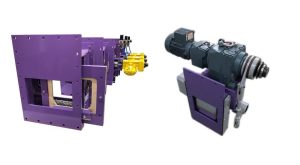
Flow control gates come in various designs, each suited for specific applications. Common types include gate valves, globe valves, ball valves, butterfly valves, and diaphragm valves. Each type has unique features that make it suitable for particular applications. For instance, gate valves are ideal for on/off control, while globe valves are preferred for precise flow regulation.
The design of the valve also affects its performance and suitability for certain applications. Factors such as the valve’s size, material, and actuation method must be considered. Actuation methods include manual, electric, pneumatic, and hydraulic, each offering different levels of control and automation.
- Gate valves for on/off control
- Globe valves for precise flow regulation
- Ball and butterfly valves for quick operation
- Diaphragm valves for hygienic applications
Cost and Maintenance Considerations
The cost of flow control gates varies widely based on their type, size, and materials. While initial costs are important, long-term maintenance and operational expenses should also be considered. Some valves may require frequent maintenance or replacement of parts, which can add to the overall cost of ownership.
Ease of maintenance and availability of spare parts are crucial factors that influence the total cost of a valve over its lifecycle. Valves that are easy to maintain and have readily available replacement parts can reduce downtime and enhance system reliability.
- Initial cost vs. long-term expenses
- Maintenance frequency
- Availability of spare parts
- System reliability and downtime costs
The Role of Flow Control Valves in Modern Manufacturing
Flow control valves play a vital role in modern manufacturing processes by ensuring the efficient and safe movement of fluids and gases. They are integral components in systems that require precise regulation of flow rates and pressures, contributing to improved product quality and reduced waste.
Enhancing Operational Efficiency
In manufacturing, operational efficiency is paramount. Flow control valves help streamline processes by maintaining optimal flow rates and pressures. This ensures that production lines operate smoothly, reducing energy consumption and minimizing waste. By controlling the flow of resources accurately, manufacturers can achieve higher levels of productivity and cost savings.
Automated flow control solutions, such as smart valves, offer real-time monitoring and adjustments, further enhancing efficiency. These systems can adapt to changing conditions and optimize performance without manual intervention, leading to increased throughput and reduced operational costs.
- Maintaining optimal flow rates
- Reducing energy consumption
- Minimizing waste
- Automated real-time monitoring and adjustments
Ensuring Safety and Compliance
Safety is a critical concern in manufacturing environments, where hazardous materials and high-pressure systems are common. Flow control valves are essential for maintaining safe operating conditions by preventing over-pressurization and ensuring that fluids are contained and directed safely.
Moreover, compliance with industry standards and regulations is mandatory for many manufacturers. Flow control valves help meet these requirements by providing precise control and monitoring capabilities, ensuring that processes remain within safe and legal parameters.
- Preventing over-pressurization
- Ensuring fluid containment and direction
- Meeting industry standards and regulations
- Providing precise control and monitoring
Supporting Sustainability Initiatives
As industries focus on sustainability, the role of flow control valves becomes increasingly important. By optimizing fluid and gas usage, these valves help reduce environmental impact and conserve resources. Efficient flow control can lead to decreased emissions and lower water and energy consumption, supporting corporate sustainability goals.
Investing in advanced flow control solutions, such as those offered by companies like flowcontrolgate, can further enhance sustainability efforts. These solutions often incorporate innovative technologies that optimize performance while minimizing ecological footprints.
- Reducing environmental impact
- Conserving resources
- Decreasing emissions
- Lowering water and energy consumption
| Valve Type | Best Used For | Advantages | Disadvantages |
|---|---|---|---|
| Gate Valve | On/off control | Low cost, simple design | Poor throttling capability |
| Globe Valve | Flow regulation | Good throttling, precise control | Higher pressure drop |
| Ball Valve | Quick shut-off | Low flow resistance, easy operation | Not suitable for throttling |
| Butterfly Valve | Large volume control | Compact, lightweight | Limited pressure tolerance |
| Diaphragm Valve | Corrosive/abrasive fluids | Leak-proof, versatile | Not suitable for high pressure |
Frequently Asked Questions
What are the main types of flow control valves?
The main types of flow control valves include gate valves, globe valves, ball valves, butterfly valves, and diaphragm valves. Each type has specific applications and advantages, making them suitable for different industrial needs.
How do flow control valves enhance manufacturing efficiency?
Flow control valves enhance manufacturing efficiency by regulating flow rates and pressures, ensuring smooth operation of production lines. This reduces energy consumption, minimizes waste, and increases productivity.
Why is material selection important for flow control gates?
Material selection is crucial because it affects the valve’s durability and compatibility with the fluid or gas being controlled. Choosing the right material ensures the valve can withstand corrosive or high-temperature conditions.
Can flow control valves contribute to sustainability?
Yes, flow control valves contribute to sustainability by optimizing fluid and gas usage, reducing emissions, and conserving resources. Advanced valves incorporate technologies that minimize environmental impact.
What factors should be considered when selecting a flow control gate?
When selecting a flow control gate, consider the type of fluid or gas, flow rate and pressure requirements, temperature conditions, environmental factors, valve type and design, cost, and maintenance needs.
Conclusion
Flow control valves are indispensable components in modern industrial systems, providing crucial regulation of fluid and gas flow. By understanding the different types of valves and their applications, industries can enhance operational efficiency, ensure safety, and support sustainability initiatives. The selection of the appropriate flow control gate requires a thorough evaluation of application requirements, valve design, and cost considerations. As the demand for precise and efficient flow control solutions continues to grow, companies like flowcontrolgate are at the forefront, offering innovative products that meet the evolving needs of the industry.